Green hydrogen in La Rioja: a current overview of a strategic community for the energy transition
The energy transition in Europe is underway. In Spain, this commitment to renewable energy sources of the future is becoming increasingly decisive.
Efficient technologies for change
The energy transition in Europe is underway. In Spain, this commitment to renewable energy sources of the future is becoming increasingly decisive.
China accounts for over half of the green hydrogen production capacity currently operational around the world. Moreover, 94 of the 510 projects globally committed until 2030 (in other words, almost one in five) are located in China.
With nearly 400 projects underway and an investment of over €33 billion, Spain is positioning itself as a leader in the development of renewable hydrogen. Four large electrolysers with a total capacity of 235 MW and an investment of over €700 million are set to be operational by 2026. These will be capable of producing 34,000 tonnes of green hydrogen per year.
Thanks to its potential in clean energy, strategic projects and public support, Spain is establishing itself as the main hub for renewable hydrogen in southern Europe. By leading initiatives such as H2med and the Hydrogen Backbone Network, the country is establishing itself as a key player in the European energy transition.
Navarra is establishing itself as a leader in the development of renewable hydrogen, driving industrial projects and public-private collaborations. The region stands out for its commitment to innovation, infrastructure, and clean energy production, positioning itself at the forefront of the energy transition in Spain.
We continue our series on the evolution of renewable hydrogen in Spain’s autonomous communities and, after reviewing cases such as Andalusia, Extremadura, and Castilla-La Mancha, we now analyze the main lines of action and projects in the Basque Country.
The Spanish agricultural sector is undergoing a transition towards more sustainable and competitive models. In this process, green hydrogen is emerging as a key solution for improving efficiency and sustainability and making the countryside more resilient in the context of the energy transition.
Discover the new European classification of hydrogen types, which replaces the old colour-coded system. The European Union distinguishes five categories: renewable hydrogen (RFNBO), bio-based, low-carbon, recycled carbon and fossil-based, based on their production method, emission reduction and traceability. Certification and transparency are key to building a clean, competitive energy market that is aligned with Europe's climate goals.
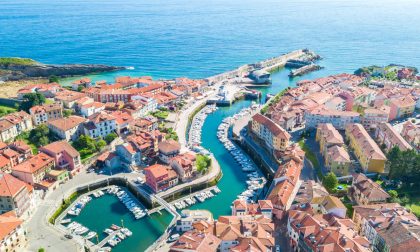
Asturias is committed to green hydrogen with more than 220 km of pipelines in the future Spanish inland hydrogen network and an ambitious energy strategy. Discover why it is one of Spain's most promising regions to lead the transition to a decarbonised economy.
Castile and León is charting a new energy horizon. Having been a region that exports renewable electricity, it now aspires to become one of the drivers of renewable hydrogen, a fully sustainable energy vector set to play a key role in the decarbonisation of industry, transport and the economy.
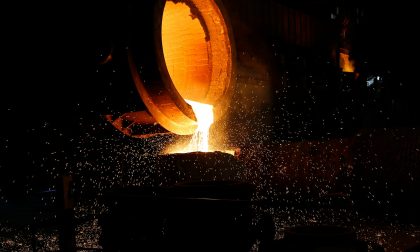
Green hydrogen's ability to transform emission-intensive sectors makes it a key ally in the energy transition. We have already analysed how this energy vector is redefining the value chain of the metallurgical industry and also its key role in the chemical industry, contributing to making both of them more sustainable.
Andalusia has become one of the most dynamic territories in Europe in the race for green hydrogen. Historically known for its agricultural and tourism potential, the region is making steady progress towards positioning itself, not just in Spain but also in Europe, as an energy benchmark thanks to its renewable capacity, logistics infrastructure and the backing of a clear political strategy.
Transforming emission-intensive sectors is one of the great benefits behind green hydrogen. After analysing how this energy vector will redefine the metallurgical industry' s value chain, making it more sustainable, this time we are covering the impact of renewable hydrogen on the chemical sector, which has become one of the most decisive players in this transition.
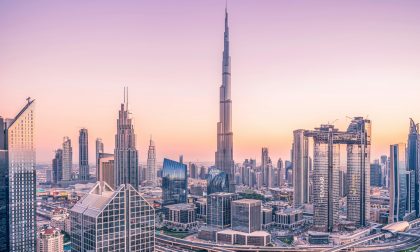
The United Arab Emirates (UAE), one of the world’s leading oil exporters, is taking a firm step towards a cleaner future for energy. The country is seeking to diversify its energy economy to maintain its global leadership in the post-carbon era.
The race to decarbonise transport is intensifying as target dates such as 2030 approach. The combination of hydrogen and mobility is becoming increasingly powerful and tangible.
It’s Extremadura’s turn in our series devoted to the Spanish autonomous communities’ green hydrogen strategy. It strives to produce 20% of the green hydrogen due to be generated in Spain by 2030.
Renewable hydrogen is undoubtedly a key energy vector that is shaping the energy transition agenda. Development is advancing rapidly, but it is still largely unknown, which means that perceptions of it can lead to confusion in certain areas.
The metallurgical sector is undergoing an unprecedented transformation. According to McKinsey & Company, steel, aluminium and other metal production accounts for around 8% of global CO₂ emissions and has come under scrutiny to reduce its environmental impact.
Several communities have already begun to deploy their own strategies to attract investment, promote industrial projects and create local ecosystems, as is the case of Castilla-La Mancha, a community with great potential in renewable energies and a strong institutional commitment to place itself on the green hydrogen map.
The Spanish Government recently announced the investment of more than 1.2 billion euros to promote the development of hydrogen valleys in our country. In recent years, these ecosystems have emerged as a key solution for accelerating the energy transition, integrating production, distribution and consumption into a single industrial ecosystem.
The energy sector has entered 2025 in the midst of an unprecedented change. The urgency of climate change and the EU’s commitments to decarbonisation have led to the creation of a regulatory framework that is constantly being redefined.
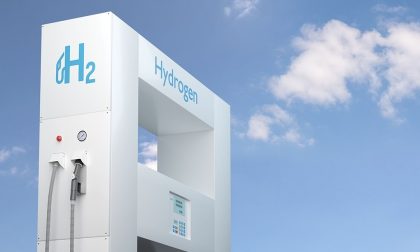
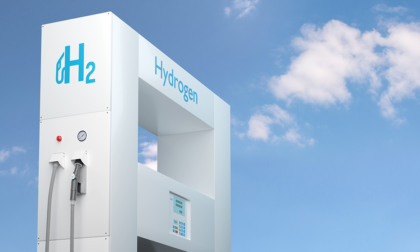
The transition to zero-emission mobility has positioned renewable hydrogen as a promising alternative in segments that are difficult to electrify. In this context, the possibility of refuelling with hydrogen in Spain depends largely on the development of an adequate infrastructure.
Italy is moving forward with determination in its commitment to renewable hydrogen, consoli-dating its position as a key country in the European energy transition thanks to this energy carrier.
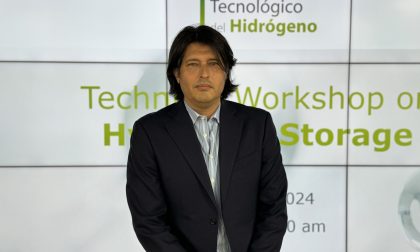
Daniel Hissel, Deputy Director of the Hydrogen Research Federation at CNRS, shares his vision on the future of hydrogen.
Emmanuel Kermarrec, Director of Geosciences and Solution Mining at Storengy, provides deep insight into underground hydrogen storage.
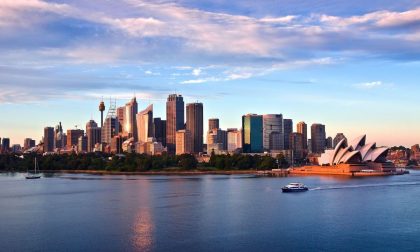
Australia is demonstrating strong leadership in the development of the green hydrogen industry. Established as a key player among economies firmly committed to decarbonisation.
AI is a key component of the fourth industrial revolution, and as in other sectors, it is already being applied in the energy industry. Let’s explore some aspects of Artificial Intelligence and how it can help meet Europe’s decarbonisation goals.
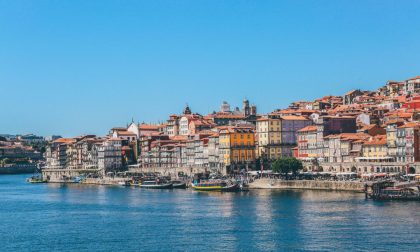
In recent years, Portugal has established policies aimed at the development of renewable energies in order to boost the energy transition and also to achieve the goals it has set for itself in the production of green hydrogen.
Green hydrogen plays a key role in the energy transition and decarbonization. That's why it's important to develop methods for large-scale hydrogen storage, especially through underground storage, using techniques similar to those used for natural gas.
India has been working on a major challenge in recent years:to make 80% of the hydrogen it produces green by 2050. And by 2070 it aims to achieve carbon neutrality.
The Spanish gas system not only covers domestic demand, but also exports gas to other countries, helping to guarantee energy supply.
Brazil meets the conditions to become a major player in the global green hydrogen economy.
This is a Brussels initiative created to boost the renewable hydrogen market in the European Union. Its main objectives are: to incentivise EU production, efficiently connect supply with demand and facilitate imports from third countries.
Renewable hydrogen is an energy carrier that can help Ireland achieve more sustainable development. Produced from renewable sources, green hydrogen generates zero CO2 emissions, making it a key clean fuel for the energy transition.
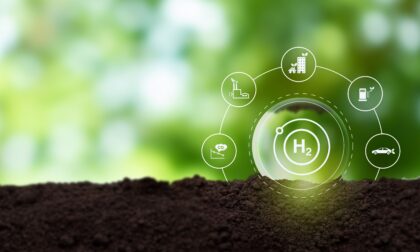
Green hydrogen is emerging as one of the most promising solutions for decarbonising key sectors of the economy to make it more sustainable. This renewable gas, produced from water and green energy, has immense potential to transform the way we generate and use energy.
Hydrogen transport will play a crucial role in the development of a value chain around this new energy vector that joins a wide range of available renewable energies to contribute to a net-zero horizon.
Last July, the German Ministry of Economy and Development published the update of its National Hydrogen Strategy, with measures that reflect the country’s firm commitment to this energy vector.
Since the Industrial Revolution, there has been consensus on the existence of six waves of innovation that have transformed both the economy and society.
Renewable hydrogen and green ammonia represent two pillars for moving towards decarbonisation and energy sustainability. The goal of decarbonisation is not a single solution, rather the more technologies and alternatives we can deploy, the simpler, safer and more expeditious the process will be.
To innovate is to turn knowledge into value. It is a process by which a new or improved product or service is successfully introduced into a market. On that basis, there are many ways to innovate in the field of clean energy.
The United States launched its 'US National Clean Hydrogen Strategy and Roadmap' for hydrogen development in June, a plan that matches the European Union’s commitment to the hydrogen REPowerEU programme: to reach a production of 10 million tonnes of hydrogen by 2030.
Green hydrogen is an effective solution for decarbonising the economy. We review a number of the most important projects being developed around the world to produce green hydrogen.
Hydrogen is an exceptional partner in the energy transition to decarbonise the economy, especially in the most complicated sectors.
Canada has great potential to become a powerhouse in the production and use of renewable hydrogen. With a diverse and prosperous economy, financial stability and leadership in innovation.
Artificial intelligence is one of the most fascinating and promising technologies of our time. However, it presents a number of challenges that need to be addressed if we are to realise its full potential.
For some time now, various trends have been emerging that reveal the need to move towards more sustainable technology. And this is where Green IT is born, the response to reduce the impact of technologies on the environment.
The growing interest in hydrogen as a clean and renewable energy source is no accident: it is a key vector for achieving a carbon-free future.
The energy sector is making steady progress towards finding alternatives to help achieve the decarbonisation. As far as renewable hydrogen production is concerned, there are also many innovations. Will it become a real option?
Renewable hydrogen is becoming a key part of the energy puzzle in Europe, a region whose future goals include achieving climate neutrality by 2050.
South Korea has become a pioneer in the field of hydrogen, with a strategy that has been praised worldwide.
Big Data is a technology that allows data to be analysed and decisions to be made in real time, always focusing on generating value.
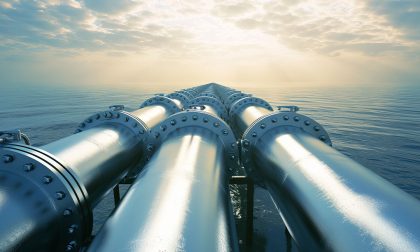
A hydrogen pipeline is a pipeline used to transport hydrogen in an effective, efficient, and reliable manner.
Air transport is an activity that releases large quantities of greenhouse gases into the atmosphere and is, according to the European Environment Agency, the third most polluting mode of transport.
The energy world is undergoing a transformation to meet the challenges it faces and technology plays a crucial role in addressing these challenges
The Belgian government has published the update of its Hydrogen Strategy 2022. It defines the pillars to position the country as the main import hub and transit country for green hydrogen in Western Europe.
The land transport sector is one of the largest consumers of energy and this trend needs to change.
Eighty percent of goods are moved by sea. It is therefore essential to move towards the decarbonization of the sector.
For companies, measuring their carbon footprint is becoming increasingly important, as it allows them to know the amount of greenhouse gases generated.
Decarbonisation of the economy and energy independence are two objectives that have recently become increasingly important for Europe
The metaverse can be an opportunity for the energy sector. As with any technological advance, the possibilities will be exponential as its use becomes more popular.
South Africa has the strongest economy on the African continent and is a development hub for the entire southern region. However, among other difficulties, it has excessive unemployment and is one of the most unequal countries in the world.
Industry is the largest contributor to the European economy, accounting for 20% of GDP and providing jobs and prosperity to the continent. But the path to a carbon-free future, set for 2050, and the ongoing need for innovation pose new challenges that industry needs to address to maintain its competitiveness levels.
Argentina is trying to position itself as an investment destination to strengthen a hydrogen economy that will add to the country's economic growth.
The sun allows the planets to orbit, gives us warmth and light, and also allows plants to provide us with the oxygen we need to live. The sun is also an inexhaustible source of energy that has been used since ancient times.
The energy sector of the future is already being built in Europe, and hydrogen is emerging as a major player, enabling the evolution towards a decarbonized economy.
The development of this vector will enable it to increase its energy security and resilience, as well as the economic and environmental value of its energy mix.
The introduction into the energy system of renewable sources has become a priority in order to meet the climate neutrality targets set by the European Union for 2050.
Colombia presents its Hydrogen Roadmap to become a benchmark in the development of sustainable energies and boost strategic sectors such as industry, transport and agriculture.
One third of companies have already incorporated technological solutions of this type that favour business efficiency.
The goal is that by 2050 between 20% and 35% of energy consumption should be based on hydrogen as a new energy carrier.
The widespread use of the cryptocurrency requires annual energy consumption equivalent to that of a small country like Sweden or Malaysia.
Corporate Venture Capitals are a key agent in the acceleration and growth of startups focused on the energy transition. Their business models can revolve around renewable gases, sustainable mobility and energy efficiency, among others.
If hydrogen is a colourless gas, why do we talk about hydrogen that is green, blue, grey, etc? We talk about how the colour of hydrogen determines its usefulness in a carbon-neutral future.
The implementation of various green hydrogen development projects and collaboration between companies make clear the country’s intention to focus on a climate-responsible future.
Hydrogen economy. Find out what it is and why it will be a cornerstone for emissions reduction, energy savings and energy transition.
Belgium joins the green hydrogen race and will allocate a large part of the recovery funds to the construction of an energy island.
Mexico wants to excel in this new industry by taking advantage of its privileged geographical location, which together with its climatic conditions, would allow it to generate green hydrogen with relative ease.
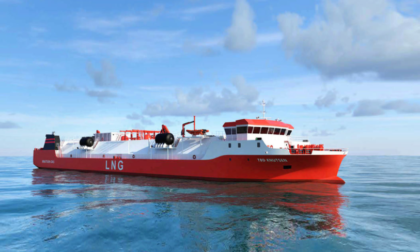
Just a few months ago, work began on the construction of the first liquefied natural gas (LNG) supply vessel to be manufactured in Spain.
Green hydrogen is a 100% clean energy that has a great many advantages and applications.
Chile joins the group of countries that are joining the race for green hydrogen, which it intends to turn into the engine of its energy future.
In Spain there are six hydropower plants distributed throughout the country. The Hydrogen Roadmap contemplates the implementation of a network with a minimum of 100 hydrogen stations by 2030.
The Norwegian hydrogen strategy seeks to harness the energy advantages of a country that produces more energy than it consumes.
Germany was another country that last June declared its intention to lead the global race for technological development to make the production of green hydrogen technologies viable.
The Ministry for the Ecological Transition and the Demographic Challenge of the Spanish Government gave the green light to the “Hydrogen Roadmap: a commitment to renewable hydrogen”, which underlines green hydrogen as a key element in achieving climate neutrality and a 100% renewable electricity system by 2050
Digitalisation and innovation provide assurances as we face a new situation in which a transition towards a new energy model, a global health crisis and great economic and social uncertainty are combined
China has prioritised research and development in the areas of hydrogen and fuel cells as one of the effective countermeasures with which to face these demanding tasks.The Chinese government sees hydrogen as an opportunity to meet climate and pollution targets without increasing dependence on imported fuels.
Las grandes urbes apuestan por el uso de la bicicleta y otras formas de transporte respetuosas con el medio ambiente como alternativa al tráfico rodado. La utilización de gases renovables y gas natural licuado como combustible es una alternativa sostenible para mejorar la calidad del aire y reducir la contaminación urbana.
La mayor parte de la electricidad francesa se genera actualmente a partir de plantas nucleares, una situación que enfrenta a productores y Gobierno con aquellas organizaciones que defienden el medio ambiente y critican el nivel de desechos radiactivos que se producen.
Tras el desastre nuclear de Fukushima, Japón apuesta por el uso del hidrógeno con el objetivo de convertirse en la única sociedad del mundo basada en él.
We talked to Thierry Lepercq about hydrogen, ecological transition and carbon neutrality after the presentation of his book 'Hydrogen: the new oil'.
Will ships be able to power themselves exclusively with 100% clean energy? This is the big question facing maritime transport at this stage of the ecological transition. One example is the case of the ‘Energy Observer’
Hydrogen is the most abundant element in the universe. But it's hard to find it in a free state. It must be extracted from other sources such as water, coal, biomass or natural gas.
Let's think of a completely electrified world. A world in which we all travel on electric bicycles, cars, trains, aeroplanes and even electric vessels. A world in which entire cities run on solar panels and all electrical infrastructure runs from smart grids and giant batteries.