


Sustainable
The health of the planet, everyone’s business
On 22 April we celebrate International Earth Day, a date marked on the calendar to remember the need to move towards a more sustainable way of life.
On 22 April we celebrate International Earth Day, a date marked on the calendar to remember the need to move towards a more sustainable way of life.
Green hydrogen is a 100% clean energy that has a great many advantages and applications.
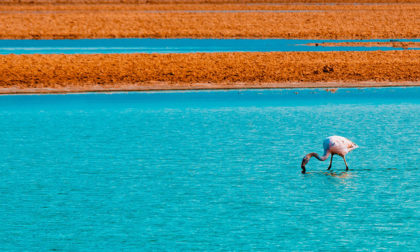
Chile joins the group of countries that are joining the race for green hydrogen, which it intends to turn into the engine of its energy future.
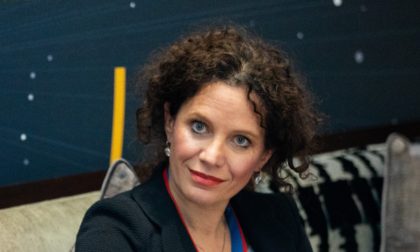
We spoke to Maria Rita Galli about the opportunities and challenges she will face in her new position as CEO of DESFA, the Hellenic Gas Transmission System Operator (TSO).
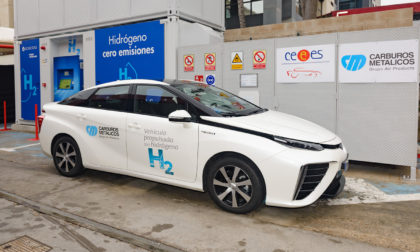
In Spain there are six hydropower plants distributed throughout the country. The Hydrogen Roadmap contemplates the implementation of a network with a minimum of 100 hydrogen stations by 2030.

The Norwegian hydrogen strategy seeks to harness the energy advantages of a country that produces more energy than it consumes.
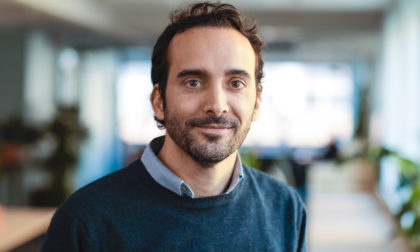
We spoke to Miguel Frasquet, CEO of Solatom, a startup that contributes to the decarbonization and efficiency of industrial processes, especially of small and medium-sized companies.
On 1 January, a key decade begins for the planet. A decade in which governments and institutions will have to go at full throttle in their race to decarbonise the economy and support green energy.
Last mile deliveries in urban areas will increase by more than 30% by 2030 in the world’s top 100 cities.Sustainability and caring for the environment should remain priorities despite increased travel.

We spoke to Andrea Barber, co-founder and CEO of RatedPower. Considered by Forbes magazine as one of the “most creative Spanish women of 2020”, her start-up offers a software programme that automates the design of solar plants.