The energy transition in Europe is underway. In Spain, this commitment to renewable energy sources of the future is becoming increasingly decisive. Against this backdrop, Spain has set itself ambitious goals: the National Integrated Energy and Climate Plan (PNIEC) anticipates achieving up to 12 GW of installed electrolysis capacity by 2030. This would establish Spain as a leading hub for renewable hydrogen production in Europe.
The latest update to the Spanish Hydrogen Association’s (AeH2) Census of Projects reveals 399 initiatives spanning the entire value chain of the green molecule. This figure underscores the sector’s growing vitality and maturity in Spain.
La Rioja generated almost half of its total electricity from renewable sources in 2025
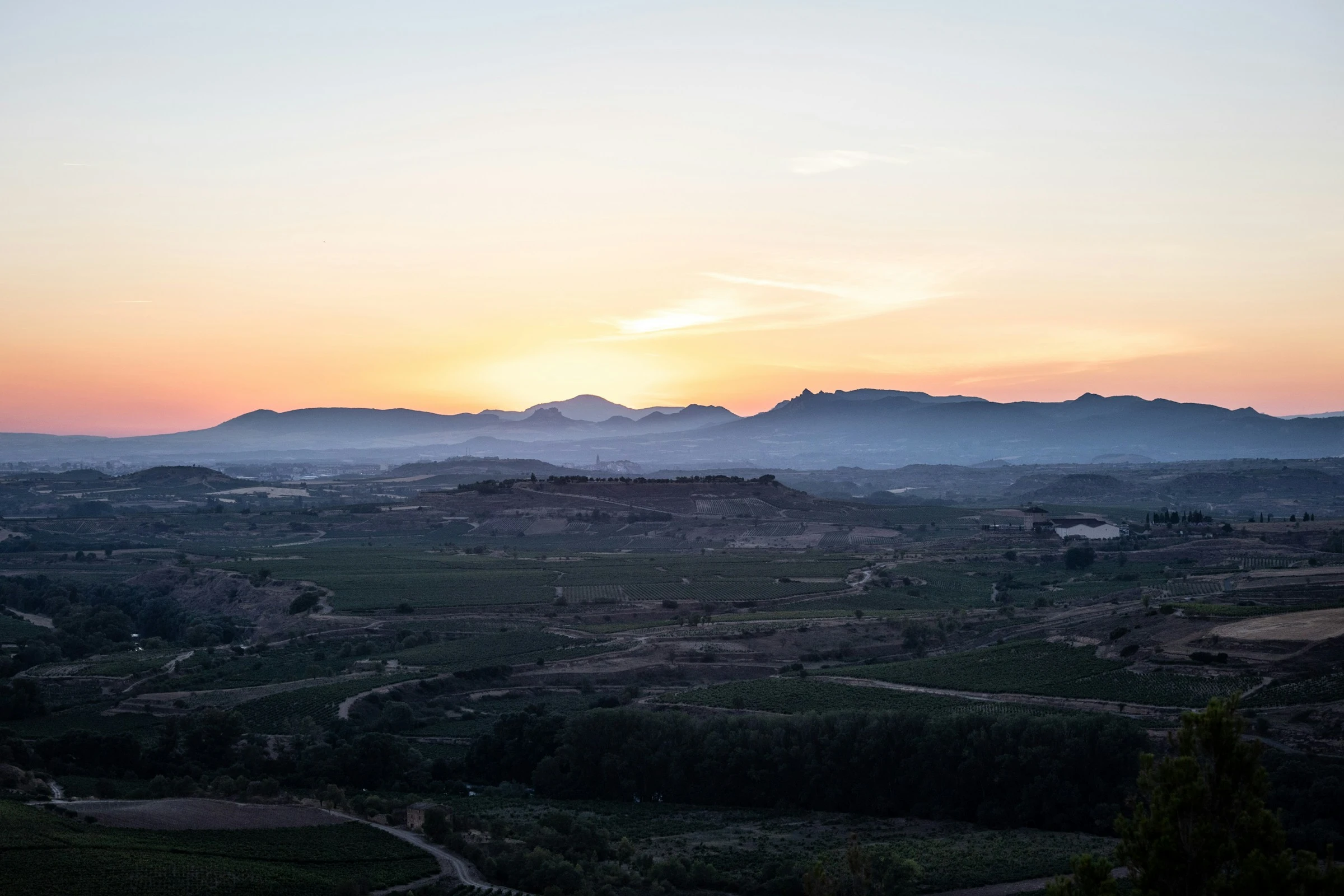
La Rioja is one of the smallest autonomous communities in Spain, with an area of just over 5,000 km² and a population of 327,000. For comparison, Andalusia, Spain’s most populous region, has well over 8.7 million inhabitants and covers an area of almost 88,000 km² – more than 17 times the size of La Rioja. This demonstrates the unique nature of La Rioja region, as despite its size it is projected as a strategic territory in the national energy landscape.
According to Red Eléctrica de España (REE), the Autonomous Community generated 1,571 GWh of electricity in 2025, almost half of which came from renewable sources. This exceeds the 50% threshold when distributed solar and wind self-consumption in homes and businesses is also considered. Furthermore, renewable energy power in La Rioja increased by around 11% in the last year, primarily due to the growth of wind and photovoltaic projects, which confirms the consolidation of its green energy matrix.
Several projects linked to the production of green hydrogen have emerged in La Rioja. One of the most notable is the project promoted by Solarig Global Services, which involves the development of a green hydrogen production plant in Agoncillo and Arrúbal.
This project has been declared of Regional Strategic Interest (PIER) by the Government of La Rioja and includes:
Another initiative is that promoted by Atlántica SAILH2, S.L., which has proposed the construction of a renewable hydrogen plant in El Villar de Arnedo.
Currently in the process of obtaining environmental permits from the La Rioja administration, this project has been designed with a capacity of 20 megawatts of electrolysis, placing it among the most significant clean hydrogen production developments in the region. The facility would occupy around 1.1 hectares of land and comprise several interconnected production units whose purpose would be to convert renewable electricity into green hydrogen using water electrolysis technology.
The region of La Rioja will host around 117 km of the Spanish Hydrogen Backbone Network
The future Spanish hydrogen transport network, promoted by Enagás, is an ambitious project that will connect Spain for the first time through a large-scale infrastructure for renewable hydrogen. The network will comprise around 2,600 km of pipeline and run through 13 autonomous communities.
In the case of La Rioja, the region will host around 117 km of these pipelines, divided into two sections:
La Rioja will also be home to one of the three compressor stations in the entire backbone network, which will be located in El Villar de Arnedo. This station will play a key role in boosting pressurised hydrogen to other nodes in the network, thus consolidating La Rioja’s position as a strategic hub within the national system.
As part of an open, transparent and participatory process, between February and March 2026, Enagás carried out the Conceptual Public Participation Plan (PCPP) for the Spanish Hydrogen Network in La Rioja. The PCPP is also being carried out in all the autonomous communities through which the future hydrogen transmission network will run and is one of the most dynamic and relevant elements of the deployment process. The aim is to involve administrations, associations, socio-economic agents and citizens in planning a strategic project for decarbonisation and energy modernisation in Spain.
La Rioja is at an energy tipping point. While its renewable energy resources are already a strength, promoting green hydrogen, participating in the Spanish Hydrogen Backbone Network and engaging in productive projects will establish the region as a key player in Spain’s new energy landscape.
This represents a pivotal moment to establish new sources of skilled employment, diversify the economy, revitalise rural areas, and spearhead the energy transition in northern Spain.

