In recent years, advances in large language models and conversational AI assistants, such as ChatGPT, Gemini and Claude, have dominated the discussion surrounding artificial intelligence (AI). However, behind this technological race, another battle is being waged that is equally decisive but less visible: the battle over the energy required to power it.
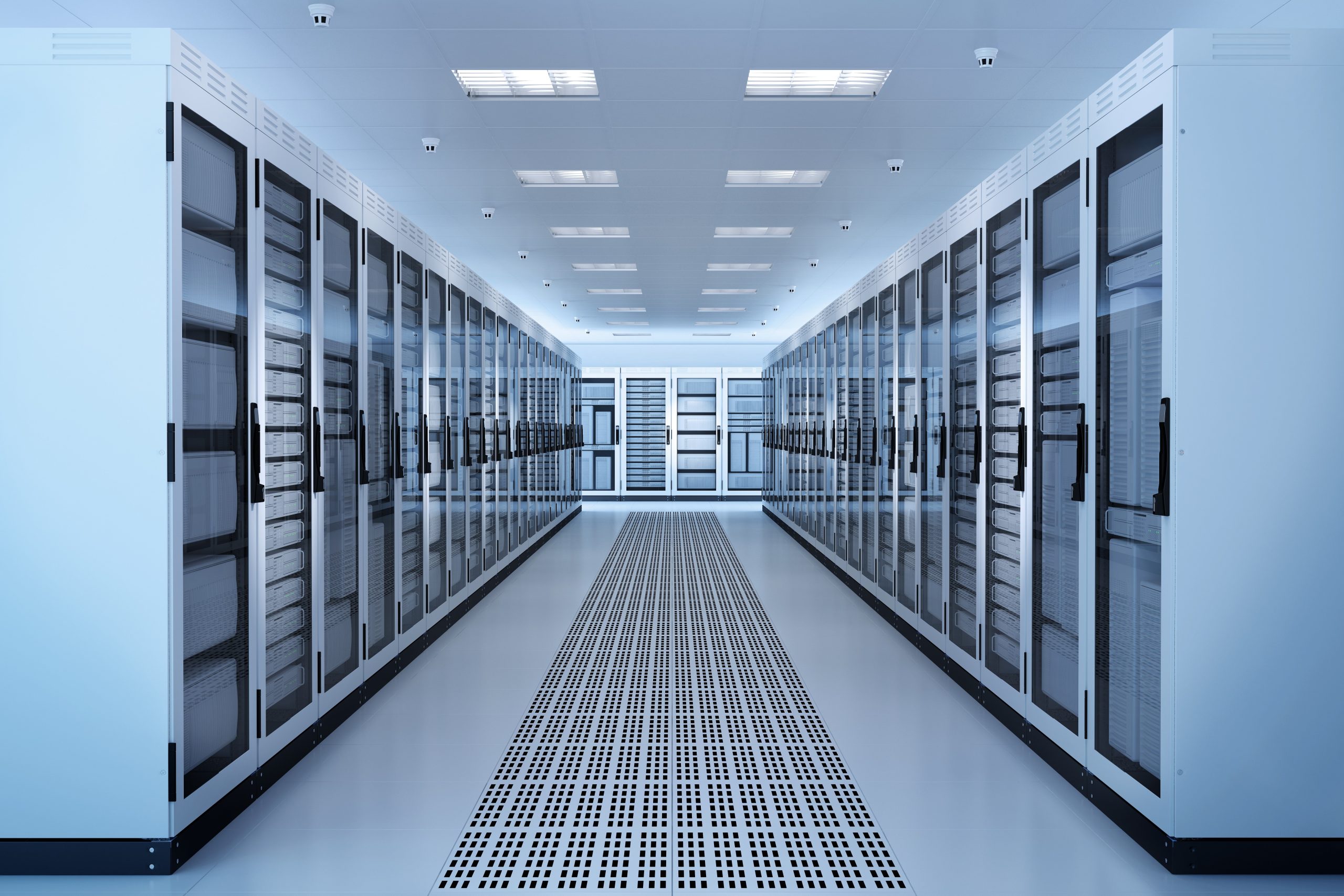
Data centres are physical facilities that house thousands of servers, storage systems, communications networks and cooling equipment. They enable the processing, storage and distribution of the information that underpins the internet, the cloud and, increasingly, AI.
The number of data centres has increased in recent years due to the widespread migration of cloud services and apps. However, the advent of generative AI has exponentially accelerated this trend, significantly increasing the demand for computing power.
To illustrate the scale of this consumption, the International Energy Agency (IEA), reports that the average data centre requires between 5 and 10 megawatts (MW) of power, while so-called hyperscale data centres, which are larger and more scalable, exceed 100 MW. This equates to the annual electricity consumption of between 350,000 to 400,000 electric cars. It is therefore no coincidence that tech giants such as Microsoft, Google, Amazon and Meta have begun signing long-term energy agreements.
Goldman Sachs Research estimates that energy demand from data centres will grow by 160% by 2030
According to the IEA, data centres consumed around 415 TWh of electricity in 2024, accounting for approximately 1.5% of global electricity demand. It is forecast that this figure will exceed 945 TWh by 2030, mainly due to the growth of artificial intelligence. This level of consumption is equivalent to that of a country such as Japan. Other forecasts suggest even higher figures. An analysis by Goldman Sachs Research estimates that energy demand from data centres will grow by 160% by 2030.
In this regard, training a large language model requires thousands of processors to work simultaneously for weeks or months. As AI becomes integrated into applications, businesses and everyday processes, it will likely account for a significant proportion of computational demand, as millions of users will interact with it in real time, 24 hours a day.
However, electricity is not the only challenge. Every new data centre needs to be connected to a network capable of supplying hundreds of megawatts while maintaining high levels of stability and quality. In many markets, this process can take several years due to the need to expand substations, upgrade transmission lines or build new distribution infrastructure.
A report by McKinsey & Company estimates that global data centre capacity is expected to triple by 2030, with around 70% cent of the new demand linked to artificial intelligence.
The scale of the investment required to sustain this growth is equally striking. The European Commission has identified electricity grids as one of the strategic priorities for this decade, estimating that an investment of 584 billion euros will be required by 2030 to modernise and expand the continent’s electricity infrastructure.
This reality is changing the rules of the game. Just a few years ago, companies chose the location of a data centre based on factors such as connectivity, land prices, and proximity to major urban centres. Today, the most decisive factors are perhaps the availability of electricity and water. Certain cooling systems require significant volumes of water, meaning that water stress and each region’s climatic conditions are also beginning to influence where and how these facilities are built.
Countries such as Ireland, Singapore, the Netherlands and the United States are already experiencing the national-scale impact of this phenomenon. The effects are reflected not only in energy planning, but also in efficient water management, strategic decisions relating to digital and technological sovereignty, and computing capacity.
It has recently come to light that the Spanish government will require data centres to use at least 80% renewable energy in order to reduce their environmental impact and control their high electricity consumption.
Our country’s Artificial Intelligence Strategy aims to achieve 2.5 gigawatts of computing capacity by 2030, which would require a demand for electricity of between 3.5 and 4 gigawatts. However, applications and approvals for this type of facility already far exceed these forecasts. In light of this growth, the government is introducing measures to regulate the establishment of data centres. The intention is, on the one hand, to provide legal certainty and encourage investment and, on the other, to ensure that these infrastructure projects meet a significant proportion of their energy requirements through renewable sources.
The growth of AI coincides with the decarbonisation of the energy system, another major transformation process. In fact, rather than being separate processes, the two are increasingly interconnected.
In recent years, major technology companies have increased their signing of renewable power purchase agreements (PPAs) to supply their data centres with carbon-free electricity. According to BloombergNEF, technology companies continue to dominate the global corporate PPA market, although geopolitical factors have impacted this activity.
The digital revolution and artificial intelligence will require more electrons and molecules. Green hydrogen is set to play a pivotal role in data centres, serving as a storage and backup system for renewable energy. This will help ensure a continuous electricity supply and reduce dependence on traditional fuels.
Green hydrogen can play a key role in data centres as a renewable energy storage and backup system
The artificial intelligence revolution is often portrayed as algorithms that can write text, generate images, and speed up operational processes. However, behind every prompt, there is a physical infrastructure that constantly consumes electricity.
Competitiveness will therefore depend not only on developing better AI models, but also on having an energy system capable of sustaining that growth. Infrastructure is no longer merely a supporting element, but a strategic asset.
Smarter grids, increased transmission capacity and the efficient integration of renewable energy, storage solutions and flexibility will be key to ensuring the digital transformation moves forward without compromising security of supply or climate targets.

