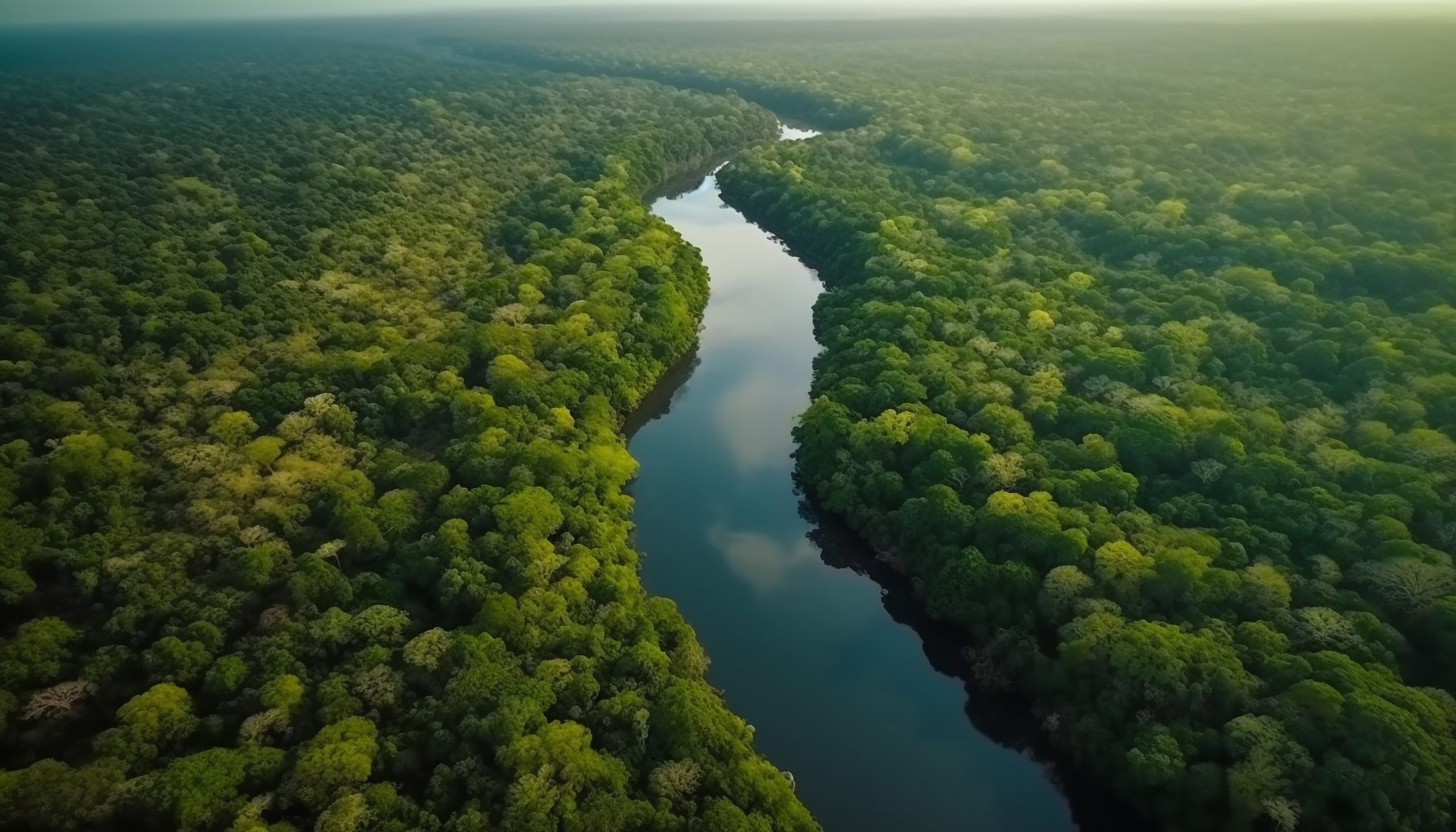
COP30, held in Belém in the heart of Amazonia in Brazil, brought together delegations from 195 countries, representatives of cities and regions, indigenous communities, companies and multilateral organisations.
Although there was no agreed roadmap for the progressive abandonment of traditional fuels, the summit ended with significant commitments to financing, climate governance and nature, among other matters, as reflected in the numerous sectoral agreements.
One of the main milestones of COP30 was the agreement to triple climate finance, incorporating 120 billion dollars per year from 2035 onwards for adaptation measures, in other words, initiatives and strategies to reduce the vulnerability of natural and human systems to the effects of climate change. This was a particularly important development for vulnerable countries in Latin America and small island states.
One of the main milestones of COP30 was the agreement to triple climate finance, incorporating 120 billion dollars per year from 2035 onwards for adaptation measures
Moreover, the partners of the FINI (Financing Adaptation Initiative) announced investment portfolios for adaptation totalling one billion dollars until 2028, which came in the wake of new contributions and a guide to the Loss and Damage Fund, a climate finance mechanism to provide financial support for the vulnerable countries most affected by climate change.
As the meeting was held in Amazonia, the role of nature was particularly prominent. The Tropical Forest Forever Facility (TFFF), the largest forest financing mechanism ever created, which is designed to remunerate tropical forest conservation with public and private contributions, was launched at COP30.
At the same time, initiatives such as the Bioeconomy Challenge, the Global Fire Management Hub and the new JREDD+ coalition to expand nature-based solutions and cut emissions were also announced.
COP30 created momentum, going beyond previous commitments and consolidating a much stronger electricity grid ecosystem. A one-billion-dollar investment plan to triple renewable capacity by 2030 was unveiled.
Another development was the creation of the Just Transition Mechanism (Belém Action Mechanism – BAM), which will seek to ensure that workers and communities affected by the energy transition receive support by means of the development and implementation of transition plans in sectors such as energy, agriculture and minerals.
Sectoral agreements on the extension of global electricity grids and 4X sustainable fuels were also reached. The objective is to promote the global adoption of clean energy sources such as hydrogen and its derivatives, biogas, biofuels and synthetic fuels, which are capable of replacing fossil fuels, thus contributing to the decarbonisation of energy systems and the fight against climate change.
The objective is to promote the global adoption of clean energy sources such as hydrogen and its derivatives, biogas, biofuels and synthetic fuels
The Pre-COP also witnessed the presentation of the report drawn up IRENA, the International Renewable Energy Agency, which states that, although the world recorded 582 GW of renewable capacity in 2024, an additional effort totalling 1,122 GW per year still needs to be made to meet the 2030 target.
Irena Director-General Francesco La Camera outlined the steps that must be taken to accelerate the energy transition: “Infrastructure comes first; we need an interconnected, flexible and balanced policy. At the moment the market is still focused on fossil fuels, but we also need a plan for renewables”, he remarked.
The Five-Year Vision for Global Climate Action was also published during COP30. This redivides over 480 initiatives into 117 Solution Acceleration Plans (SAPs) aligned with the First Global Stocktake. This first global balance is a key process in the Paris Agreement, the aim of which is, every five years, to assess how the world is progressing in its fight against climate change and when it will be able to meet its collective targets.
Although the lack of consensus regarding the abandonment of traditional fuels generated debate among the delegations and civil society, COP30 left a robust agenda as its legacy.
Brazil, which will hold the presidency throughout the coming year, pledged to continue striving to bring positions closer together and advance towards a just, orderly and equitable transition in the international climate forums.

